The UMT Faculty and Staff Apply MBTI to “Understand Oneself – Understand Others” in Enhancing Work Effectiveness and Cultural Harmony
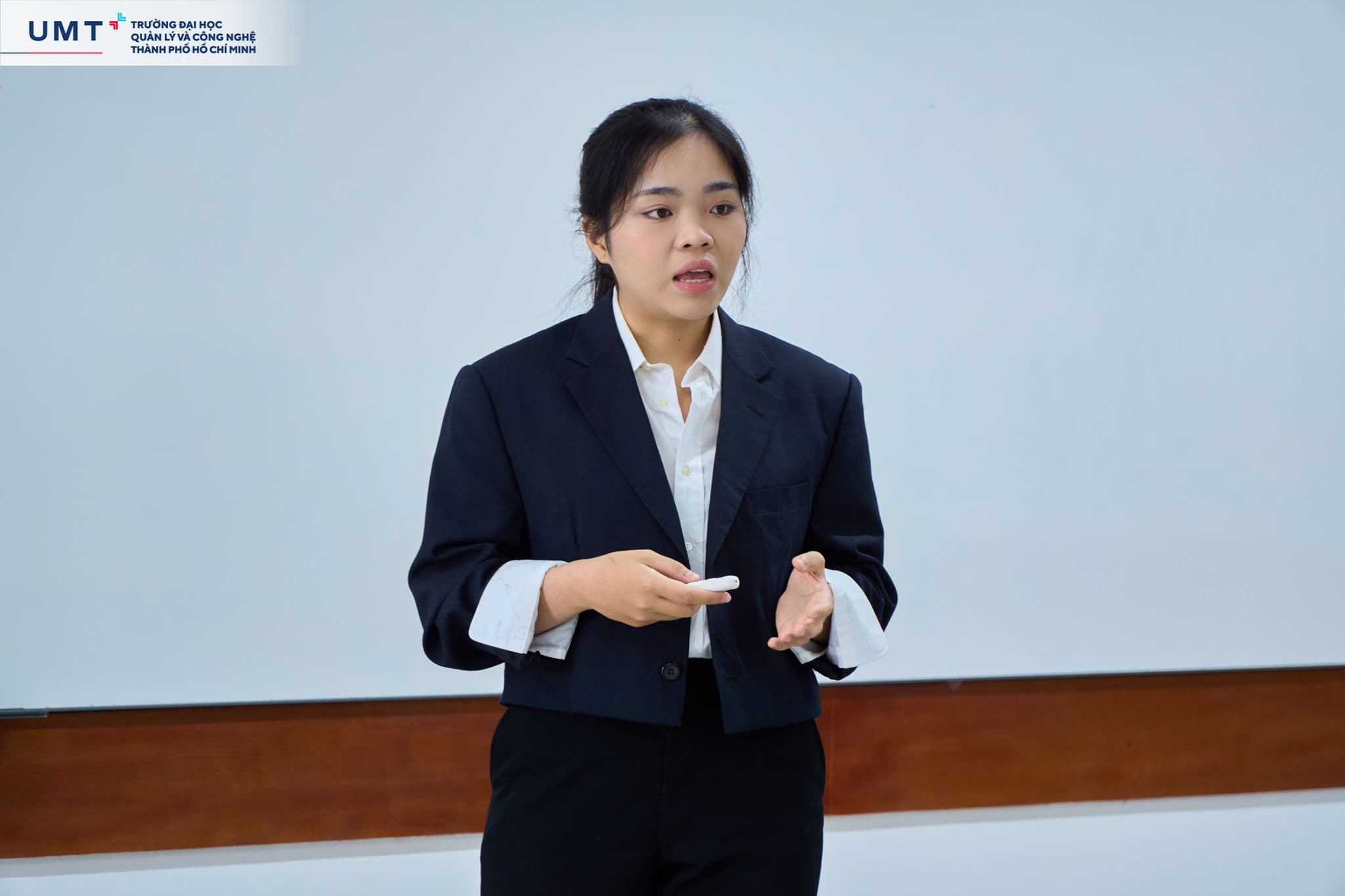
To provide a clearer and more practical perspective on the MBTI Personality Assessment—an instrument that enables individuals to gain deeper self-understanding while enhancing interaction and collaboration in the workplace—Ms. Huynh Thuy Phuong, M.A., Chairwoman of the University Council and Vice President of UMT, directly shared valuable insights with the University’s leadership team, faculty members, and staff through the meaningful and insightful training session entitled “Applying MBTI.
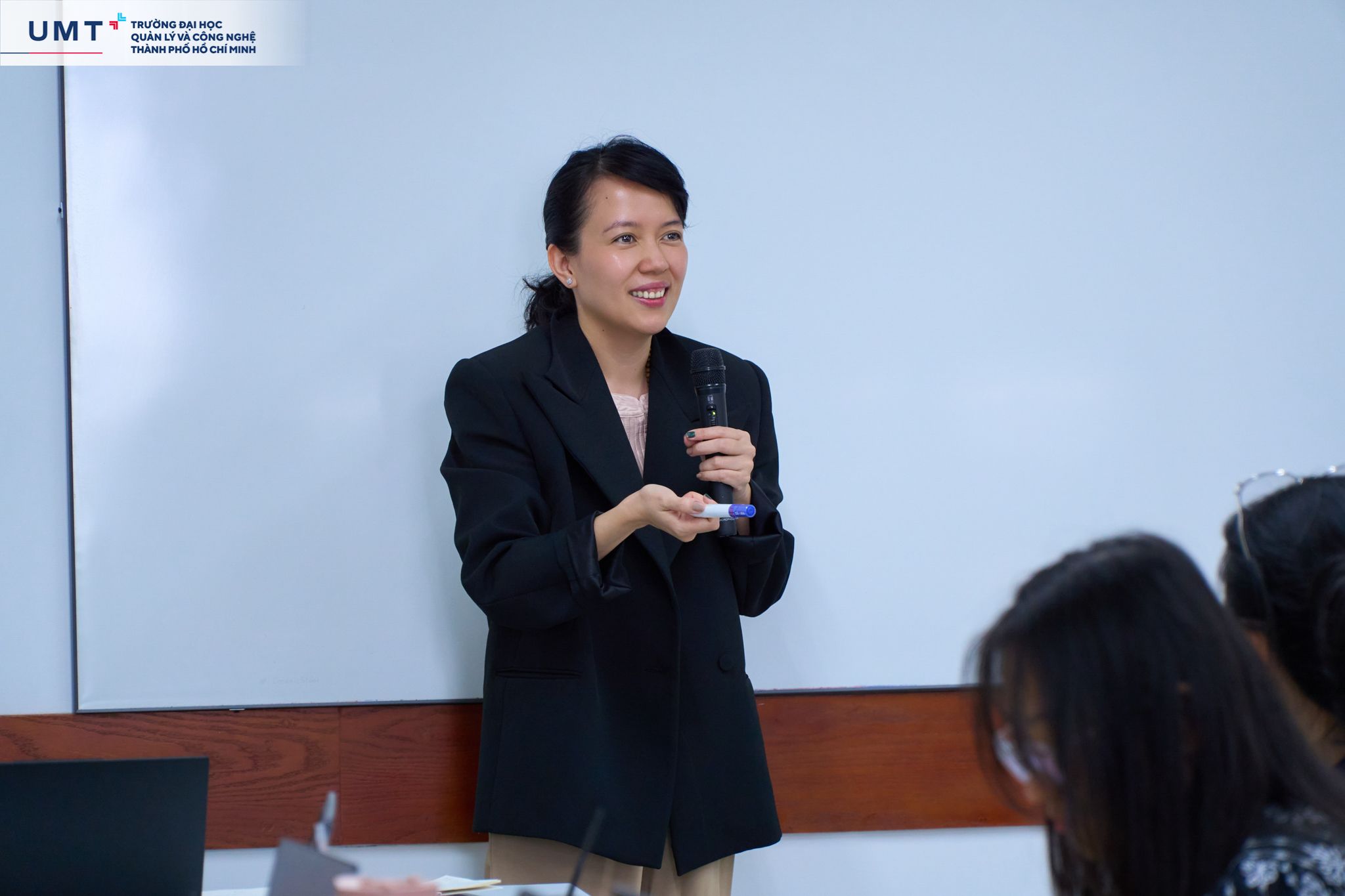
Understanding Oneself Through the MBTI Personality Dimensions
Through relatable examples and practical situations, Ms. Phuong analyzed the four fundamental MBTI personality dimensions:
Extraversion (E) – Introversion (I) | (Extrovert – Introvert)
This dimension illustrates how individuals gain energy and interact with the world around them.iNtuition (N) – Sensing (S) | (Intuition – Sensing)
This dimension reflects how individuals perceive and process information.Thinking (T) – Feeling (F) | (Thinking – Feeling)
This dimension relates to how individuals make decisions.Judging (J) – Perceiving (P) | (Structured – Flexible)
This dimension reflects how individuals organize and implement their work.
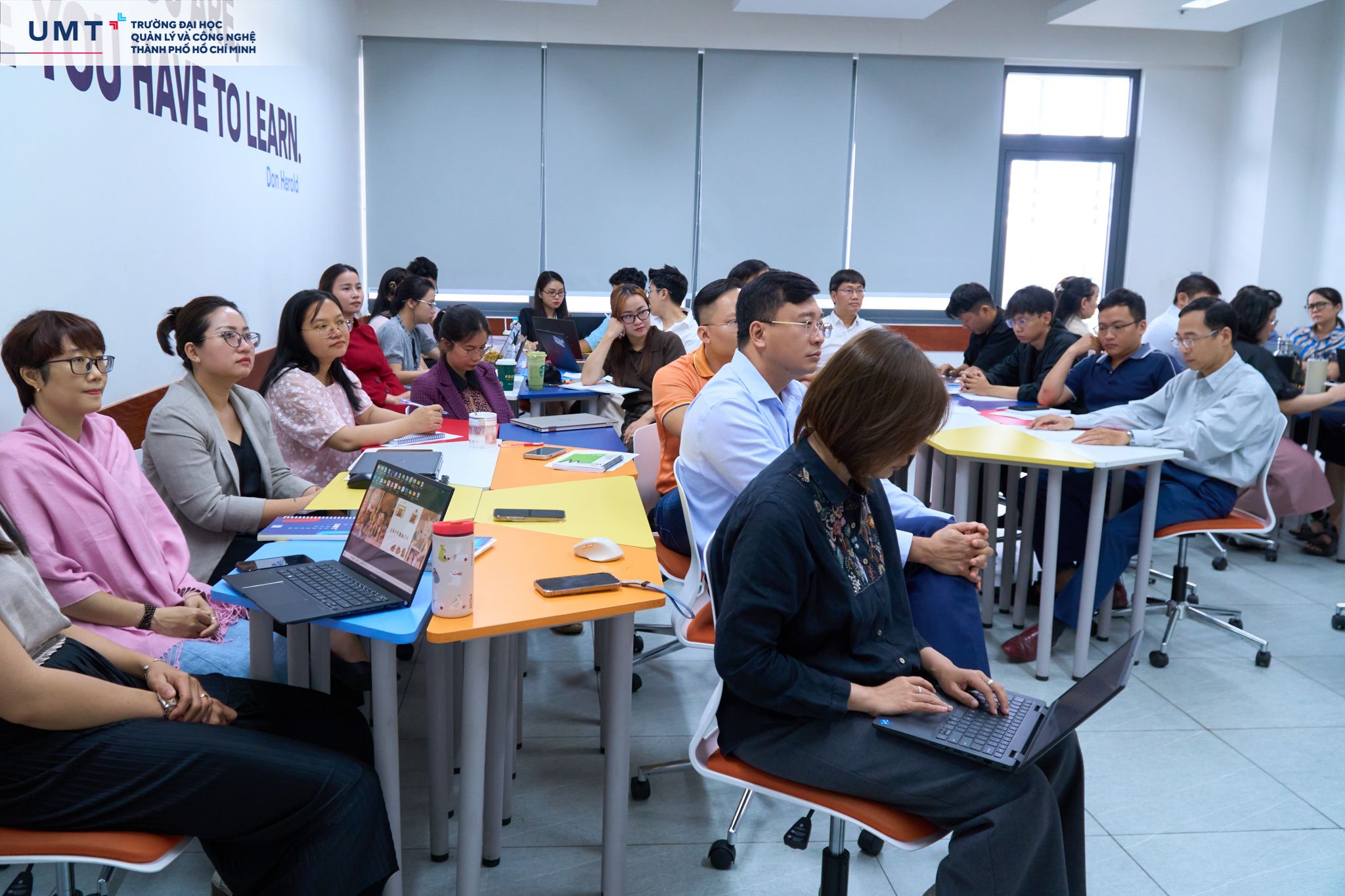
Connecting Personality Dimensions – Understanding Differences
One of the key highlights of the training session was the exploration of how personality dimensions interact and complement one another through contrasting tendencies. Ms. Huynh Thuy Phuong, M.A., emphasized that: “Our strengths can also become our weaknesses, just as the weaknesses of others may in fact represent their strengths. Therefore, instead of focusing on limitations, each individual should:
Identify and further develop their own strengths;
Respect differences in the working styles of others."
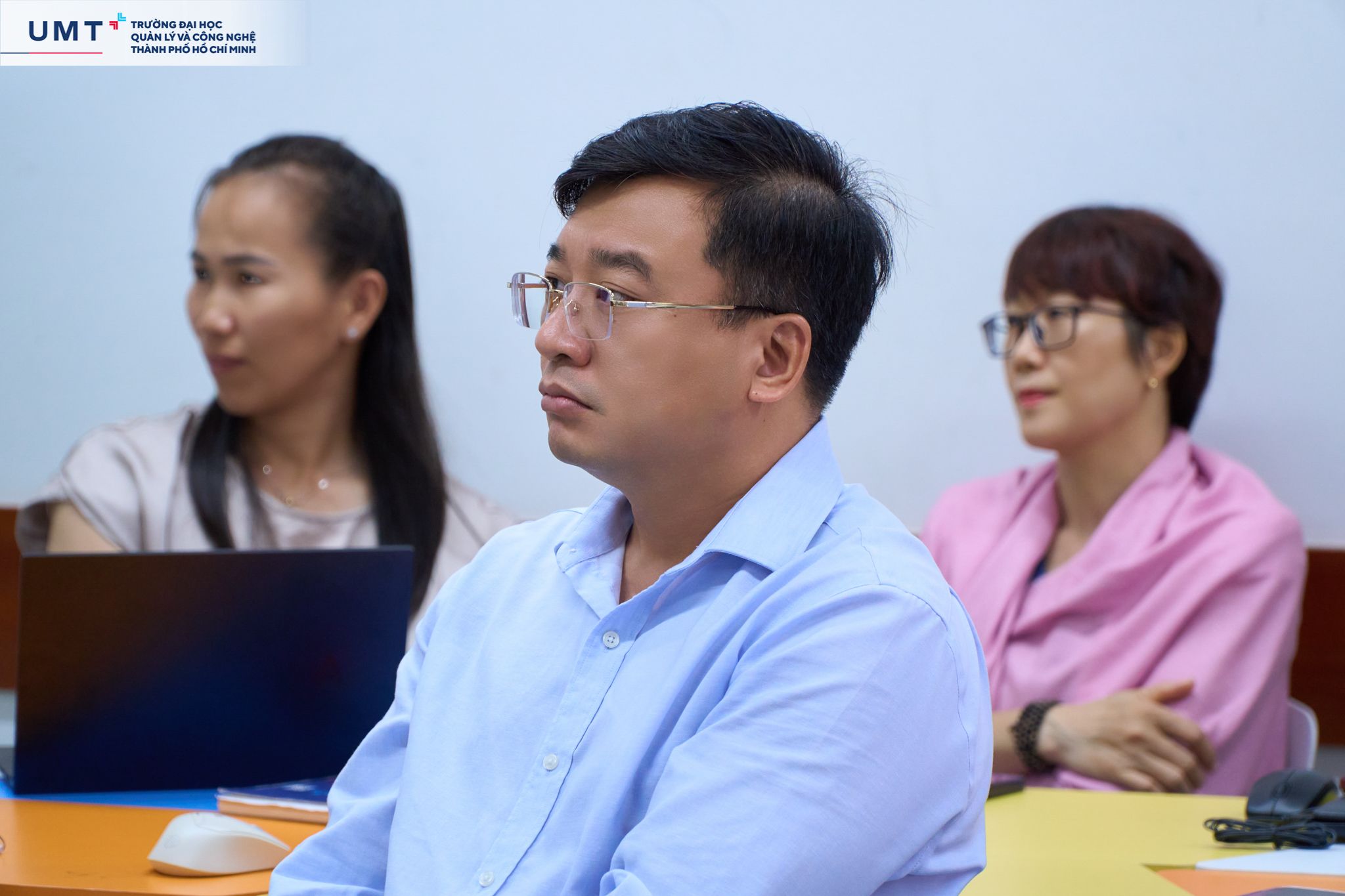
Applying MBTI in the Workplace and Team Collaboration
MBTI not only helps individuals gain deeper self-understanding but also supports the recognition of personality-related tendencies when interacting with others. As a result, each individual can adapt their communication and collaboration styles more effectively.
Through engaging group discussions, role-playing activities, and workplace feedback exercises among colleagues with different personality types, Ms. Phuong introduced several practical applications that faculty members and staff can immediately adopt to support organizational development:
Proactively utilize less dominant personality traits in appropriate situations;
Seek out individuals whose strengths complement one’s own in order to build balanced and effective teams;
Develop self-awareness and self-acceptance, thereby enabling individuals to work according to their strengths and achieve greater fulfillment in life.
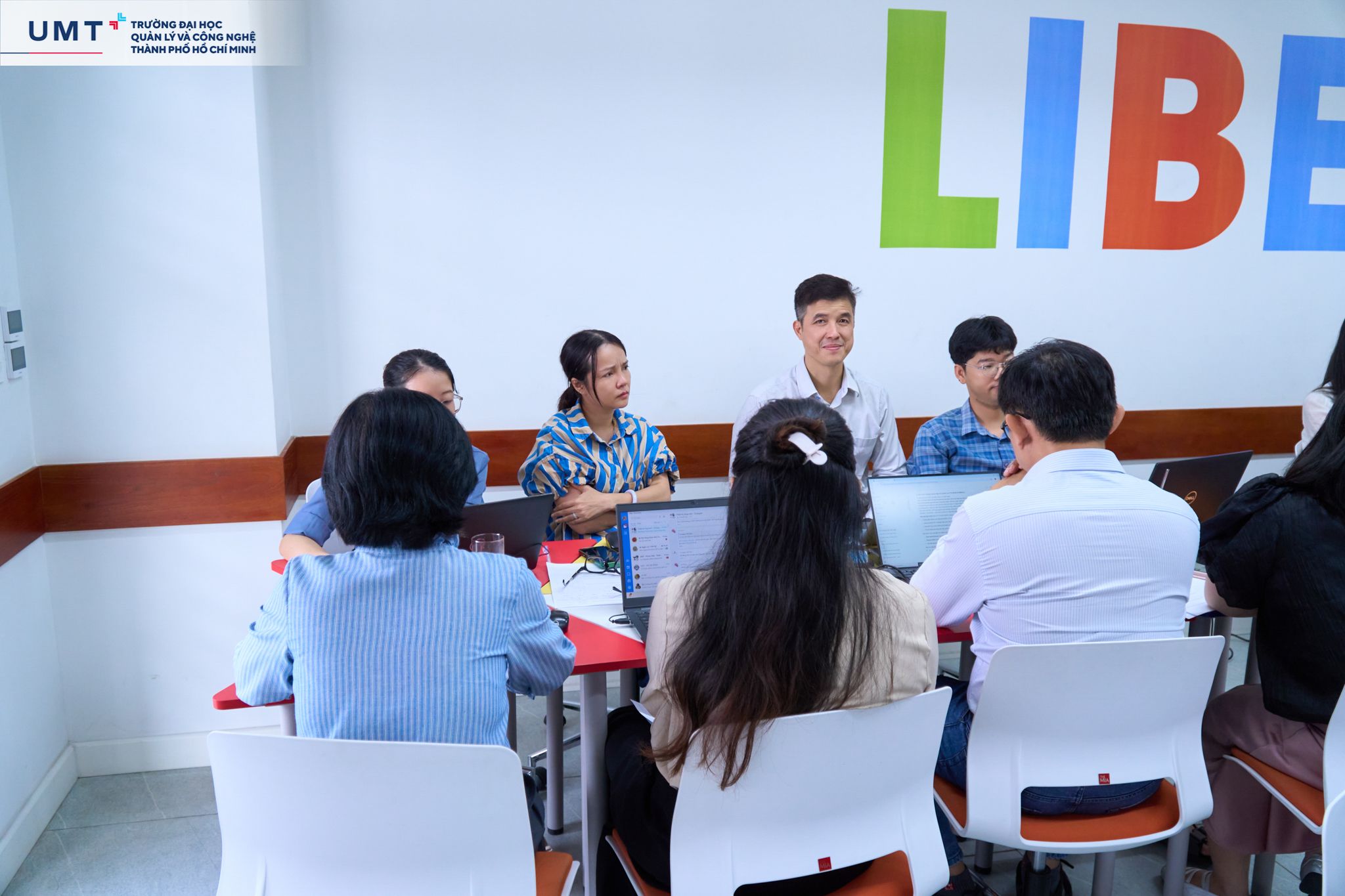
The training session also introduced a simple yet effective feedback technique for workplace communication among colleagues: “Whenever you do …, I feel …”
This feedback approach helps individuals to:
Express personal feelings and perspectives clearly;
Avoid judging or criticizing others;
Foster greater understanding in internal communication.
Concluding the session, Ms. Huynh Thuy Phuong, M.A., shared a meaningful and heartfelt message with the UMT community:
“An organization cannot achieve growth and harmony without feedback and constructive discussion. Be true to your authentic self and learn to openly express your perspectives. I hope that UMT will truly become a Happy and Successful University for all faculty members, staff, and students.”
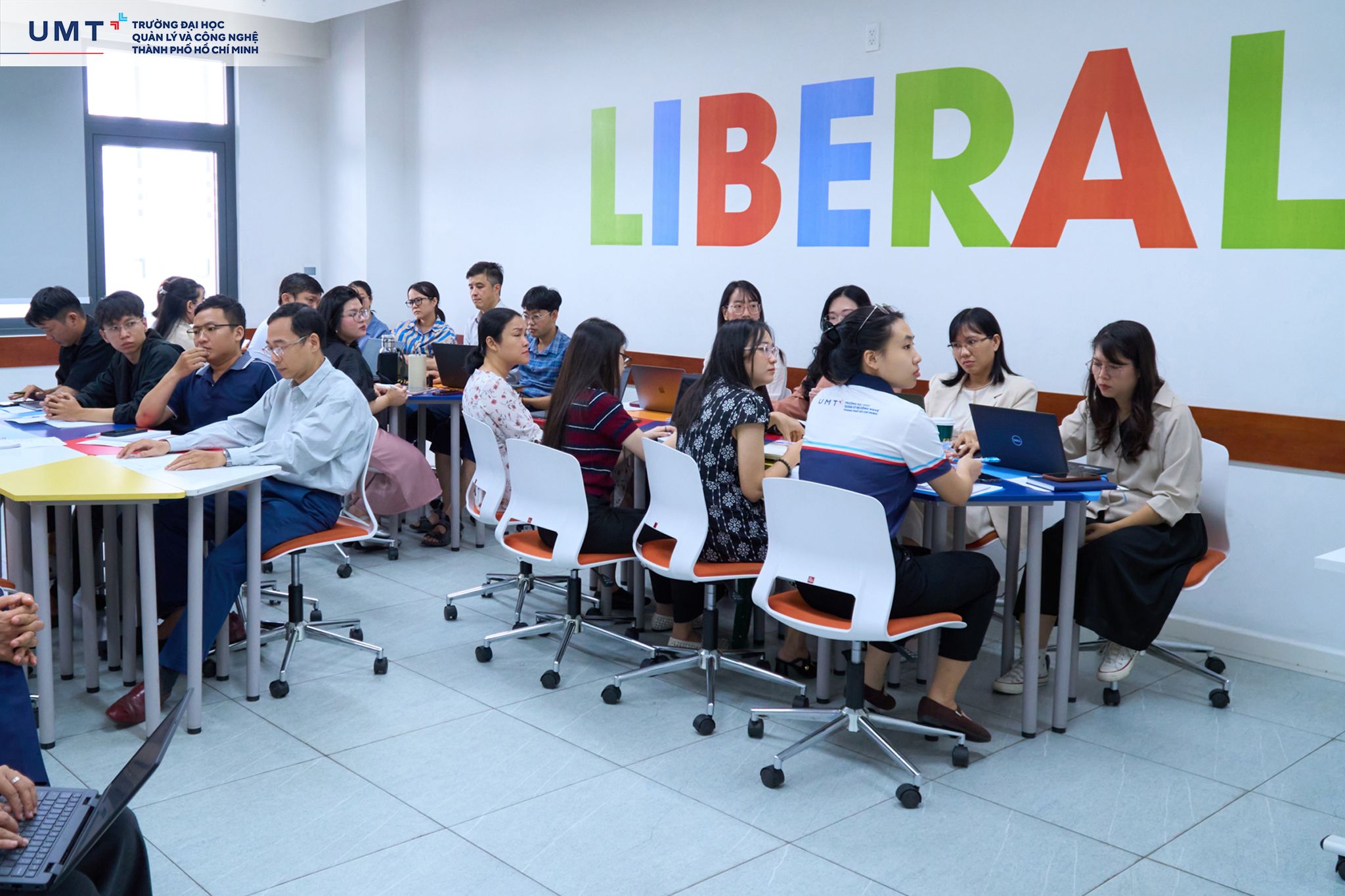
When individuals truly understand and accept themselves while appreciating the differences in others, the workplace becomes more open, effective, and enriched with positive energy. The training session not only provided valuable knowledge about MBTI but also offered a new perspective on personality diversity within organizations, enabling the UMT team to continue growing and collaborating effectively in their shared journey of building a lasting legacy and contributing to the advancement of Vietnamese education.